Quick Mold Cleanup Surrey
Seeking professional mold and asbestos specialists in Surrey immediately? We rapidly inspect, secure, and remove hazards using protocols compliant with WorkSafeBC/BC OHS, negative-pressure HEPA containment, calibrated air and moisture monitoring, and verified chain‑of‑custody sampling (PLM/TEM). We locate origins (leaks, humidity >60%), clear contaminated materials, use EPA-registered antimicrobials, and maintain moisture to 40-50% RH to stop recurrence. For pre-1990 suspect ACM, we execute wet methods, glove‑bag/full enclosures, and TDG‑compliant waste transport. We include insurance coordination and defensible clearance-here's what that means for you.
Critical Findings
- Swift emergency triage in Surrey: isolate utilities, set hazard zones, install negative-pressure containment to prevent the spread of mold and asbestos particles.
- Accredited surveys for pre-1990 buildings: air and bulk sampling with complete custody tracking, PLM/TEM analysis, and calibrated monitoring per CSA and WorkSafeBC requirements.
- Mold remediation: professional extraction of contaminated porous materials, combined with HEPA vacuuming, application of EPA-registered antimicrobials, and data-monitored dehumidification to maintain 40-50% RH.
- Moisture control and prevention: repair water leaks, optimize drainage systems, install effective rainscreens, install moisture barriers, optimize insulation levels, establish balanced ventilation with HRVs, and maintain recommended air exchange rates.
- Asbestos abatement: performing thorough protection protocols with glove-bag or full enclosure systems, combined with wet procedures, HEPA vacuum systems, controlled waste handling and labeling, and comprehensive air quality verification at all stages.
Why Mold and Asbestos Are Urgent Issues in Surrey
Considering Surrey's damp marine climate, older building stock, and ongoing infill development generate perfect conditions for unseen hazards, asbestos and mold need prompt attention. You encounter increased moisture loads that cause mold development in structural cavities, crawlspaces, and bathrooms, while pre-1990 materials often include friable asbestos in insulation, flooring, and textured coatings. These materials pose well-documented respiratory and carcinogenic risks, influencing public wellness and taxing healthcare resources.
You additionally incur legal liability. BC OHS Regulation and WorkSafeBC guidelines mandate hazard identification, controlled abatement, and documentation. Not following these requirements risks penalties and work stoppages, and puts insurance protection at risk. Strategic assessment and proper abatement ensure occupant safety, protect property investments, and maintain timelines. Operating expenses decrease by preventing structural deterioration, secondary contamination, and litigation.
When to Seek Professional Inspection and Testing
While some issues might appear minor initially, specific indicators in Surrey's building inventory require professional inspection and lab analysis. If you notice visible discoloration on drywall, ceiling tiles, or foundation walls-especially spreading stains or efflorescence-you should sample and verify. Lingering smells (damp, soil-like, or sharp) signal microbial growth or volatile organic compounds; avoid covering them up-record and analyze. Recurrent moisture events, high indoor humidity (>60%), or condensation on windows point to circumstances that promote hidden mold. For pre-1990 structures, loose insulation, degrading ceiling surfaces, or cracked vinyl tiles point to possible asbestos materials; consider them hazardous until tested. Should inhabitants mention respiratory issues, headaches, or increased asthma symptoms, advance to specialized air and bulk analysis following WorkSafeBC and CSA guidelines.
Our Step-by-Step Mold Removal Process
After inspection and testing confirm mold, we implement a structured, regulation-compliant remediation workflow. First, we map impacted surfaces, dampness origins, and transmission routes. Following this, we set up containment zones with negative pressure and HEPA filtration to eliminate cross-contamination. We validate pressure differences and airflow management with pressure gauges and smoke testing.
Our approach emphasizes source removal before encapsulation: we carefully remove and bag porous materials, then meticulously clean surfaces using wire-brushing, scraping, and HEPA vacuum processes. We utilize EPA-registered antimicrobials based on substrate type and contamination level. Moisture issues are resolved through precise drying to target EMC, using monitored dehumidification and strategic airflow.
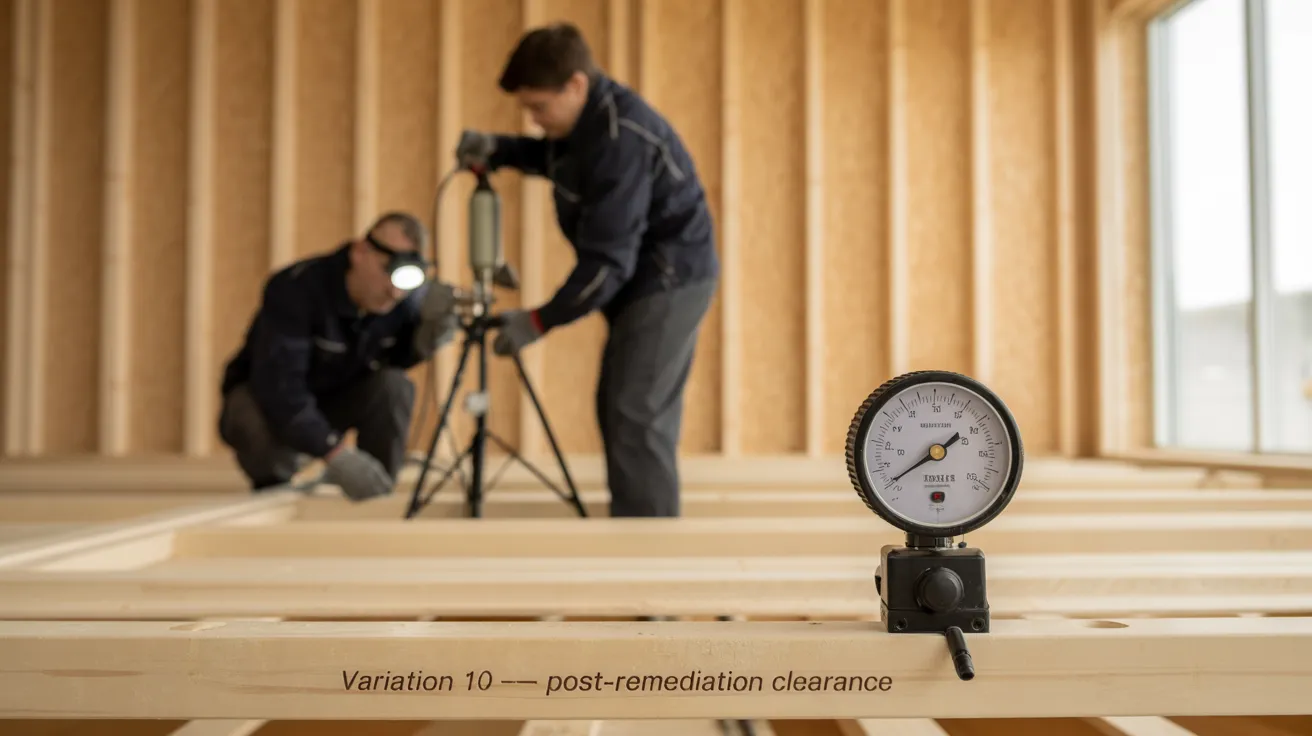
We carry out cleaning beyond the containment, covering vents and high‑touch areas. After-remediation validation includes visual inspection, particle measurements, and third‑party sampling as mandated by regulatory guidelines or customer requirements.
Professional and Reliable Asbestos Assessment and Remediation
Even before collecting samples, you get a regulatory-aligned plan meeting WorkSafeBC, OHS, and EPA/AHERA guidelines which outlines suspect materials, containment measures, and chain‑of‑custody. We assess both friable and non‑friable materials, utilize negative pressure containment, and deploy specific protective enclosure procedures according to risk. You'll witness precise air monitoring prior to starting, while work progresses, and following remediation to confirm adequate fiber control.
Our sampling process involves material samples utilizing controlled sampling protocols, sealed sampling containers, and detailed custody documentation. Accredited experts perform TEM or polarized light microscopy, and we issue findings following laboratory validation demonstrates methodology precision and detection parameters. When conducting removal, we utilize wet methods, filtered HEPA extraction, and controlled debris packaging with labeled, sealed transport. Completion verification integrates thorough visual examination and quantitative air testing criteria.
The Standards, Regulations, and Certifications We Adhere To
Having certified experts on location is crucial, so we hold industry-recognized certifications (like IICRC for mold, AHERA/NIOSH-aligned asbestos training) backed with current documentation. We follow provincial and federal requirements, including WorkSafeBC, BC OHS Regulation Part 6, and applicable federal asbestos and hazardous materials rules. We implement rigorous safety protocols-site-specific hazard assessments, containment under negative pressure, atmospheric testing, safety-tested protective gear, and documented clearance criteria.
Recognized Industry Credentials
While each project has its own unique characteristics, our compliance framework remains consistent: we meticulously follow industry-recognized certifications and required protocols. You're assured by specialists qualified under ANSI/IICRC S520 for mold remediation, featuring detailed containment, negative pressure, and clearance criteria. Our management team possesses Asbestos Supervisor credentials, and field personnel complete hazard-awareness training following current control protocols. We verify indoor air quality controls through IAQ Certification, incorporating instrument calibration, baseline sampling, and post-remediation verification.
You'll also notice Lead Accreditation featured on our profiles, demonstrating competency in lead-safe work practices, dust control, and waste separation. The company's fit-testing records, respiratory health certifications, and audit records are kept for auditability. We regulate work with workplace risk assessments, exposure evaluation protocols, and verifiable training matrices, guaranteeing your site adheres to rigorous, evidence-based standards.
Federal and Provincial Compliance
Since regulatory compliance is essential, our services meet British Columbia's Workers Compensation Act and WorkSafeBC OHS Regulation (Part 5 Asbestos, Part 6 Contaminants, exposure control plans), Hazardous Waste Regulation, and BC Building Code requirements, along with federal frameworks such as the Canada Labour Code Part II, Hazardous Products Act/WHMIS 2015 (GHS), CEPA/PCB and hazardous substances provisions, and Transportation of Dangerous Goods (TDG) for waste movement. We provide verifiable documentation: exposure control plans, hazard assessments, inventory logs, chain-of-custody, and TDG shipping papers. We follow Regulatory updates, integrate harmonized SDS/labeling, and calibrate instruments per manufacturer and ISO guidance. You'll see permitting coordination with municipalities, landfill acceptance criteria verification, and defensible record retention. Furthermore, we advise on Funding programs that reduce compliance-driven abatement and disposal costs.
Advanced Safety Guidelines
Prior to mobilization, personnel adhere to a comprehensive safety management system that incorporates CSA, ANSI, and WorkSafeBC requirements into workplace controls. You get a location-based exposure control plan, safety analysis, and isolation protocol following NIOSH and EPA best practices. We confirm competent supervision, certified respirators, and tested air monitoring instruments in line with manufacturer requirements and ISO/IEC 17025 lab certification.
You'll notice negative-pressure containment with HEPA filtration validated against IEST standards, controlled isolation of HVAC, and waste disposal protocols under TDG. We utilize PPE protocols based on risk assessment: half-face and full-face APRs, P100 filters, single-use coveralls, and decontamination procedures with separated clean and dirty zones. We document custody tracking, routine clearance verification, and final validation sampling against WorkSafeBC exposure limits and final clearance standards.
Swift Emergency Response and Insurance Management
Respond promptly when environmental hazards compromise indoor air quality-swift containment and source control help reduce mold growth and asbestos disturbance. You'll benefit from emergency evaluation that prioritizes life safety, utility isolation, and hazard zoning, followed by pressure differential controls, HEPA filtration, and appropriate water category assessment to guide material removal. Qualified professionals gather documented moisture and particulate readings, document suspect ACM, and, where required, pause for bulk sampling under safety compliance thresholds.
We quickly deploy a claims specialist who coordinates assessment details, photography, evidence management, and cost calculations according to policy specifications, deductible amounts, and coverage conditions. We facilitate adjuster walk-throughs, issue stabilization reports, and maintain compliance logs. You get clear timelines, cost transparency, and documented, standards-driven mitigation that helps secure claim authorization.
Moisture Prevention and Control Strategies
While rapid intervention manages acute risk, long-term success depends on addressing moisture problems and stopping pathways that enable fungal proliferation and asbestos particles. You should execute a layered strategy: improve grading and drainage, seal foundation entries, and preserve roof and plumbing integrity. Utilize continuous humidity monitoring to keep interior RH between 40-50%; combine smart sensors with warnings and performance monitoring. Install balanced ventilation and HRVs, validate ACH through ventilation measurement, and reinforce ductwork. Install properly rated vapor barriers on the climate-controlled side per BCBC standards; combine with exterior rain screens and capillary breaks. Cover cold surfaces to avoid condensation. Include sump systems with backflow protection. Record system settings, service timing, and tracking for records. Review controls periodically and following modifications.
FAQ
How Do Your Warranties and Service Guarantees Work After Remediation
Our warranty coverage includes designated areas post-remediation, with coverage period based on addressing root causes and following IICRC S520 protocols. You'll get documentation, clearance results, and scheduled post-remediation inspections to ensure no recurrence and standard compliance. If conditions recur within the warranty duration and the original issue was resolved, you receive free inspection and specific reprocessing. Warranty excludes additional water events or modified situations. We can arrange independent validation to maintain regulatory defensibility.
What Payment Plans and Financing Options Do We Offer for Large Projects?
We provide flexible payment choices that are both compliant and transparent. We offer financing with set annual percentage rates featuring no fees for early payoff and detailed amortization schedules. You have access to staged draws connected to milestone inspections, as well as ACH or credit card payments, including health savings options when qualified. Our team performs detailed validation of personal details, earnings, and work specifications, maintain full regulatory compliance, and offer digital document execution. Pre-approval results usually arrive within minutes, subject to final underwriting.
What's the Vacancy Period Required During the Work?
You will typically need to vacate during the abatement process. For asbestos, safety guidelines mandate full containment, negative pressure, and clearance air testing; anticipate being away for 1-3 days for limited zones, 3-7+ days for extensive remediation. For mold, IICRC S520 calls for isolation and HEPA remediation; occupancy is possible if the work zone is properly sealed, but alternative housing should be considered here for people with health concerns. Timeline varies based on the area size, material types involved, and clearance testing schedule.
How Do You Safeguard Pets and Belongings During Remediation?
We protect your pets and valuable items by implementing isolated work zones, relocating pets temporarily, and storing items securely. Picture it like a professionally coordinated beehive move - methodical and contained. We coordinate pet accommodation to temporary shelter or a protected safe room with advanced HEPA filtering. For possession safeguarding, we carefully bag non-porous goods, dispose of affected porous items, and record detailed chain-of-custody. Our qualified specialists strictly follow EPA/OSHA and IICRC S520 guidelines: maintaining negative pressure, setting up polypropylene barriers, constructing decontamination chambers, and confirming proper air exchange before authorizing return.
Can You Coordinate Required Permits and Strata Approvals on Our Behalf?
Yes. We manage all permitting and strata communication throughout the entire process. We evaluate the project, establish code requirements, and create regulatory documentation (drawings, MSDS, abatement plans). We secure necessary permits, arrange for official inspections, and maintain audit-ready documentation. For strata, we adhere to strata regulations, deliver notice packages, join council sessions, and get documented permissions. You receive a clear timeline, status updates, and sign-offs, guaranteeing conformity to requirements, reduced interference, and thorough project documentation.
Wrapping Up
Take action now to protect your health, property, and regulatory compliance. When you notice signs of water damage, discoloration, or suspicious substances, book professional assessment and treatment to prevent small problems from escalating. Our team follows CSA, IICRC S520, and WorkSafeBC protocols, utilizing negative pressure and HEPA filtration, while recording every step for insurance purposes. You'll receive prompt service, authenticated chain-of-custody lab results, and detailed post-remediation verification. Prevent future issues through effective moisture control, upgraded ventilation systems, and periodic inspections-ensuring problems don't resurface.